

Refrigerators and freezers are crucial in both residential and commercial spaces, helping keep food fresh and safe for consumption. They’re essential for maintaining consistent, cold temperatures that prevent food spoilage and protect our health. However, not all refrigeration units perform at the same level, and even small inconsistencies in quality can lead to significant issues. This is where quality control comes into play, ensuring that refrigerators and freezers deliver on reliability, efficiency, and durability.

1. Understanding Quality Control in Refrigeration
Quality control (QC) refers to a series of processes designed to ensure products meet certain standards and function as expected. In the refrigeration industry, QC involves thorough testing of every component to confirm that refrigerators and freezers perform at their best. This rigorous process helps reduce the chance of malfunctions and extends the lifespan of these appliances.
2. The Role of Quality Control in Consumer Safety
Refrigerators and freezers are primarily used to store perishable items, including meat, dairy, and produce. When these items aren’t kept at the correct temperature, they can quickly become breeding grounds for harmful bacteria like E. coli and Salmonella. Quality control procedures ensure that each unit consistently maintains the correct temperature, reducing the risk of foodborne illnesses.
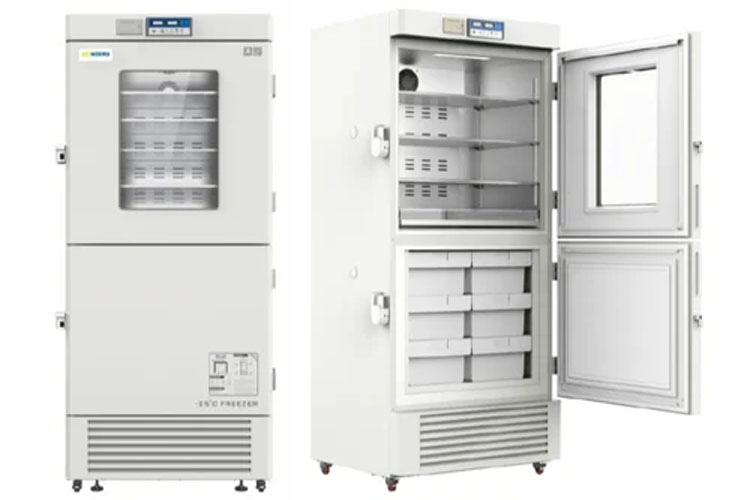
3. Enhancing Energy Efficiency through Quality Control
With rising energy costs and growing environmental concerns, energy efficiency is more important than ever. Quality control processes help manufacturers design refrigerators and freezers that consume less power, which translates to lower electricity bills and a reduced environmental impact. Regular energy consumption testing ensures these units comply with energy efficiency standards, benefiting both consumers and the planet.
4. Preventing Costly Repairs and Malfunctions
A reliable refrigerator or freezer should last for years without frequent repairs. Quality control ensures that all components, from the compressor to the thermostat, function optimally. This reduces the likelihood of unexpected breakdowns, saving consumers from costly repairs and replacement expenses.
5. Improving Durability for Longevity
Quality control also emphasizes durability testing to ensure refrigerators and freezers can withstand various conditions, including power fluctuations, heavy usage, and environmental factors. By prioritizing durability, manufacturers can guarantee that their appliances offer a longer operational life, reducing waste and providing consumers with better value.

6. Meeting Industry Standards and Regulations
Regulatory standards for refrigeration appliances are strict, as these products directly impact public health and safety. Quality control teams work to ensure each unit meets or exceeds industry standards and complies with regulations such as Energy Star ratings. This is essential not only for legal compliance but also for maintaining a good brand reputation.
7. Maintaining Brand Reputation through Quality
For manufacturers, quality control is not just a matter of compliance; it’s a reflection of their brand’s commitment to excellence. By prioritizing QC, companies can build a reputation for producing high-quality, reliable products, which boosts consumer confidence and fosters customer loyalty.
8. Innovations in Quality Control Technology
With advancements in technology, the methods for conducting quality control in refrigeration have evolved. Tools such as digital sensors, AI-powered diagnostics, and remote monitoring systems allow for real-time tracking and more precise quality assessments. These innovations streamline QC processes and improve the accuracy of quality assessments, ensuring only the best products reach the market.
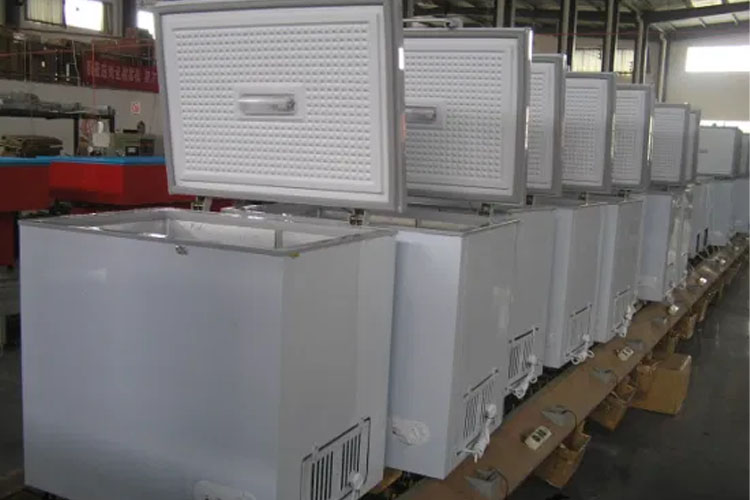
9. The Economic Impact of Quality Control
While implementing quality control measures can add to production costs, it also has substantial economic benefits. High-quality, reliable refrigerators and freezers lead to fewer returns and warranty claims, reducing costs for manufacturers. Additionally, satisfied customers are more likely to recommend the brand, driving long-term sales growth.
10. Environmental Benefits of Quality Control
By ensuring refrigerators and freezers are durable, efficient, and reliable, quality control helps reduce waste and energy consumption. Quality control minimizes premature disposal of faulty appliances, thereby decreasing the environmental impact associated with manufacturing and waste disposal.
Quality Control is Essential for the Future of Refrigeration
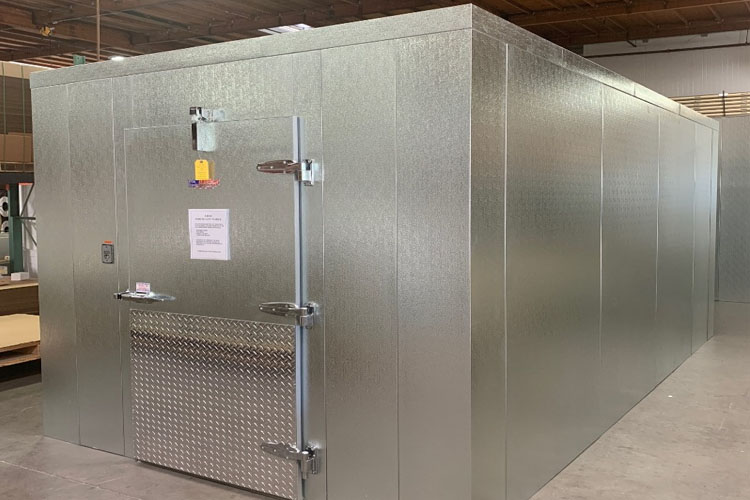
Quality control in the refrigeration industry is vital to ensure the safety, efficiency, and durability of refrigerators and freezers. With growing demands for energy efficiency and durability, QC processes are indispensable for manufacturers striving to meet consumer expectations and regulatory standards. In an ever-evolving market, prioritizing quality control not only benefits consumers but also strengthens brand reputation and contributes to a more sustainable future. Investing in quality control for refrigeration appliances is not just an operational choice—it’s a commitment to safety, reliability, and innovation that will shape the industry’s future.
By continuously advancing freezer technology, these labs not only enhance our everyday conveniences but also support critical industries in maintaining quality and safety across the globe.