

The modern refrigerator has become an essential part of everyday life, ensuring that food stays fresh and safe for longer periods. Behind the scenes, refrigerator testing laboratories play a pivotal role in shaping these appliances to meet the demands of energy efficiency, durability, and performance. Through rigorous testing and adherence to high standards, these labs help produce refrigerators that meet regulatory standards, improve energy consumption, and adapt to consumers’ changing needs. This article explores how refrigerator testing labs contribute to developing appliances that are reliable, sustainable, and innovative.
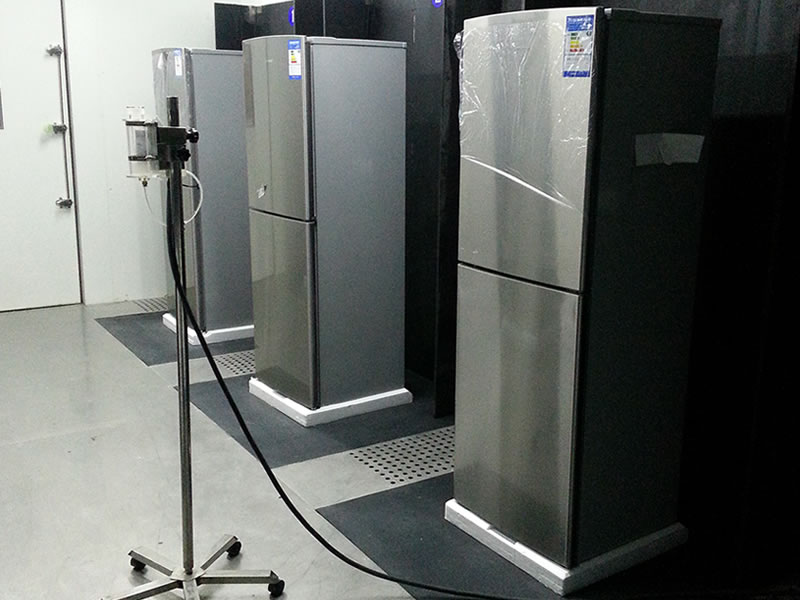
1. The Role of Refrigerator Testing Labs
Refrigerator testing labs are specialized facilities where appliances undergo a series of tests to assess their performance, durability, and safety. These tests ensure that refrigerators meet industry standards and deliver on their promises of energy efficiency and long-lasting performance. Testing laboratories play a crucial role in guaranteeing that each refrigerator model is capable of withstanding real-life conditions, from temperature fluctuations to power variations.
2. Ensuring Energy Efficiency
With growing concerns about energy conservation, energy efficiency has become a top priority for appliance manufacturers. Testing labs measure each refrigerator’s energy consumption under controlled conditions to ensure it meets energy-saving requirements. Many labs simulate daily use patterns to evaluate how efficiently the appliance operates over time, ensuring that it maintains consistent energy use without sacrificing performance.
3. Durability Testing for Longevity
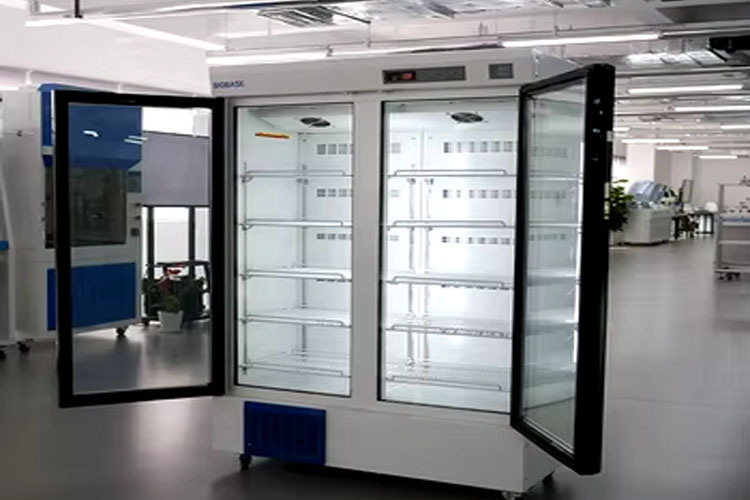
A key function of testing labs is to assess the durability of refrigerator components, including compressors, condensers, and insulation materials. These tests simulate years of use in a shorter time frame, identifying any potential weak points that could lead to breakdowns. By ensuring each component can withstand wear and tear, testing labs help manufacturers design appliances with longer lifespans, reducing the need for frequent replacements and minimizing environmental waste.
4. The Importance of Temperature Control Testing
One of the most critical aspects of any refrigerator is its ability to maintain consistent temperature. Testing laboratories evaluate how well refrigerators can keep food items at safe, optimal temperatures, regardless of external conditions. This testing process includes measuring the appliance’s ability to maintain stable temperatures under various loads and during power fluctuations, which is crucial for preventing food spoilage and ensuring consumer safety.
5. Compliance with Regulatory Standards
Refrigerators sold to the public must comply with strict regulatory standards for safety, performance, and environmental impact. Testing labs ensure that each model adheres to regulations such as Energy Star ratings and other environmental guidelines. Compliance testing not only ensures consumer safety but also helps companies avoid legal issues and build trust with customers by offering products that meet industry standards.
6. Improving Noise Levels for Comfort
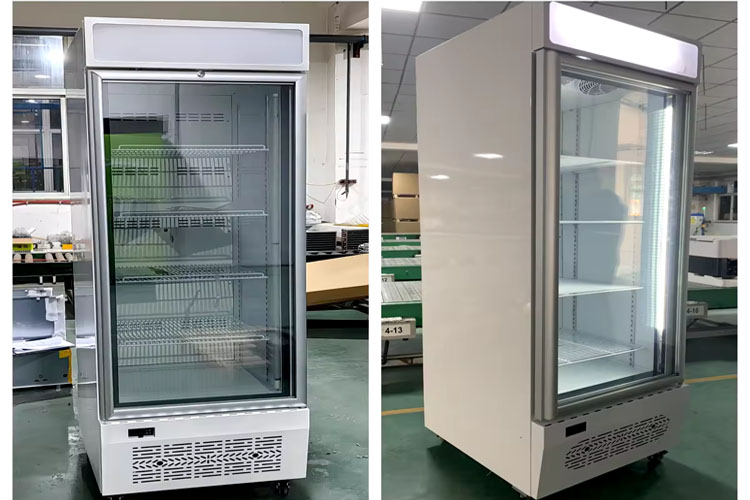
Modern consumers expect refrigerators to operate quietly, especially in open-concept homes where kitchens are near living spaces. Testing laboratories evaluate noise levels during different cycles, ensuring appliances meet acceptable noise thresholds. Quiet operation has become a significant factor for many buyers, and testing labs contribute to designing refrigerators that fit seamlessly into any home without disruptive noise.
7. Refrigerant Testing for Environmental Impact
As environmental consciousness grows, so does the importance of eco-friendly refrigerants. Testing labs assess the efficiency and safety of various refrigerants, including low-global-warming-potential (GWP) options, to minimize environmental impact. This testing ensures that the refrigerants used in modern refrigerators contribute to sustainable practices without compromising the appliance’s cooling performance.
8. Testing for User-Friendliness and Smart Features
The evolution of smart appliances has introduced features such as Wi-Fi connectivity, touchscreens, and app compatibility. Testing labs assess these features to ensure they are user-friendly, reliable, and safe. By testing the functionality and compatibility of these features, labs help manufacturers produce appliances that meet the growing demand for smart home integration, enhancing the user experience.
9. Safety Testing for Consumer Protection
Safety is a top priority in any appliance, especially refrigerators that operate continuously and can pose electrical risks. Testing labs conduct safety evaluations to ensure the appliance’s wiring, electrical components, and overall design are safe. This testing process helps prevent potential hazards, giving consumers peace of mind that their refrigerator meets stringent safety standards.
10. Driving Innovation in Refrigerator Design
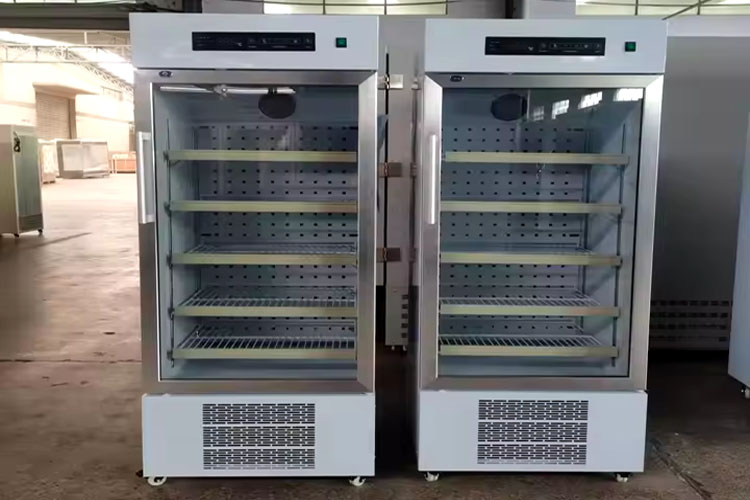
Through extensive testing, laboratories drive innovation in refrigerator design and functionality. By identifying areas for improvement, labs provide manufacturers with valuable insights into how to enhance the appliance. Whether it’s by improving energy efficiency, adding new features, or making appliances more durable, testing labs play a vital role in the ongoing innovation of refrigeration technology.
Shaping the Future of Refrigeration through Testing
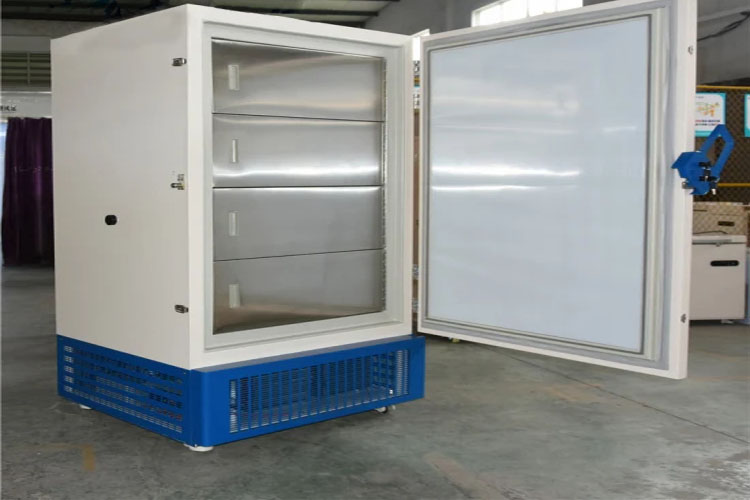
Refrigerator testing laboratories are indispensable in the development of modern appliances. They ensure that refrigerators meet high standards of energy efficiency, durability, safety, and functionality, contributing to sustainable living and enhanced user experience. As technology advances, these labs will continue to drive innovations that make refrigerators more eco-friendly, reliable, and adapted to consumer needs. By holding each model to rigorous standards, testing labs help shape a future where refrigerators not only serve our needs but do so responsibly and efficiently.
By continuously advancing freezer technology, these labs not only enhance our everyday conveniences but also support critical industries in maintaining quality and safety across the globe.