

Projects Detail
- Diagnostic Testing for High-Capacity Air Conditioners
Need Help ?
Refrigerant Leak Detection for Eco-Friendly AC Units
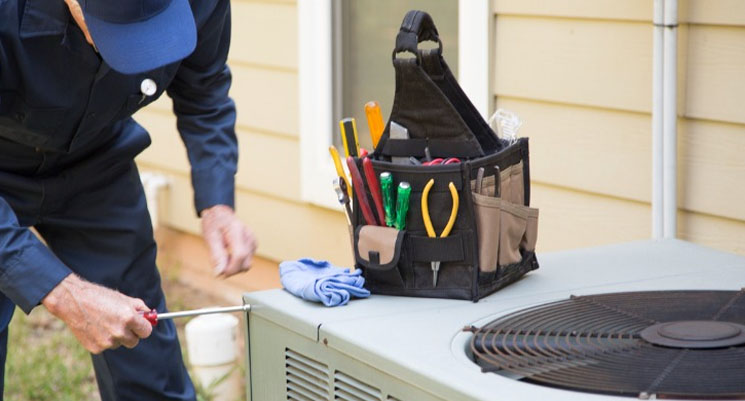
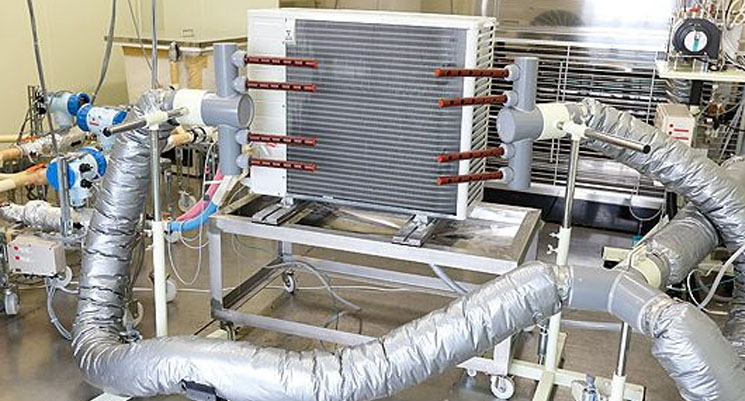
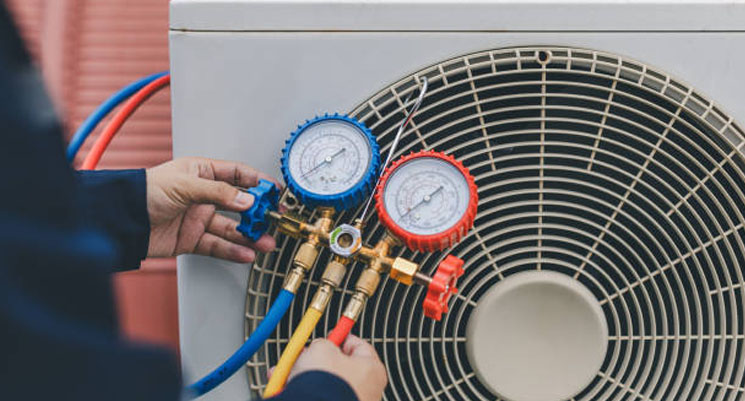
This project involved diagnostic testing on high-capacity air conditioners used in industrial and commercial settings. The objective was to assess each unit’s efficiency, detect potential issues, and ensure optimal performance under high-demand conditions. Diagnostic testing covered critical aspects like airflow measurement, temperature consistency, and energy usage, identifying any operational bottlenecks or inefficiencies.
Comprehensive System Analysis
Performed a thorough inspection and testing of the air conditioning units, examining each component’s performance under real-world conditions.
Early Issue Detection
Diagnosed potential issues such as air leaks, improper airflow distribution, and cooling inconsistencies, allowing for preemptive repairs and reducing future downtime.
Performance Optimization
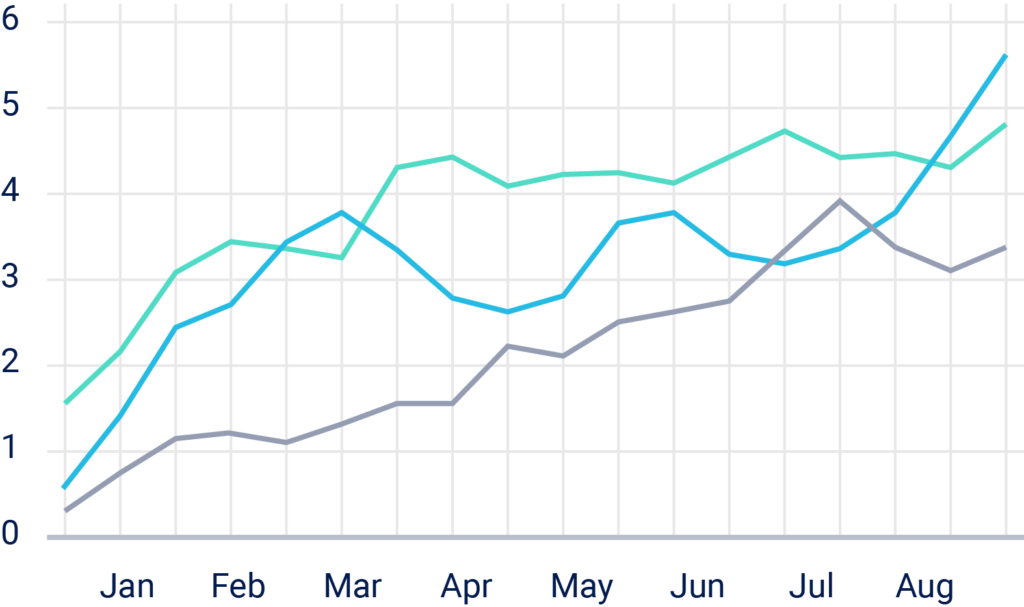
Provided data-driven recommendations to enhance system efficiency, improve energy savings, and extend equipment lifespan.
Objective
To ensure that high-capacity air conditioners operate at peak efficiency, meet cooling demands reliably, and support energy-efficient practices in large-scale environments.
Skills Applied
- HVAC diagnostic expertise
- Data analysis for energy and airflow efficiency
- Problem-solving for preventative maintenance
Frequently Asked Questions about Refrigerant Leak Detection
This FAQ section addresses common questions about diagnostic testing for high-capacity air conditioners, focusing on the process, benefits, and impact on operational efficiency. Here, you’ll find answers to the most frequent inquiries about the purpose and methods of diagnostic testing.
Diagnostic testing for high-capacity air conditioners involves examining the unit’s key components, airflow, and temperature consistency to detect potential issues, optimize performance, and ensure efficiency in demanding environments.
High-capacity air conditioners should undergo diagnostic testing annually or bi-annually, especially in environments where they’re used continuously. Regular testing is crucial for systems exposed to varying loads and environmental conditions.
Yes, diagnostic testing can significantly improve energy efficiency by identifying any inefficiencies or malfunctions. Addressing these issues helps reduce energy consumption, leading to cost savings and a more environmentally friendly operation.