

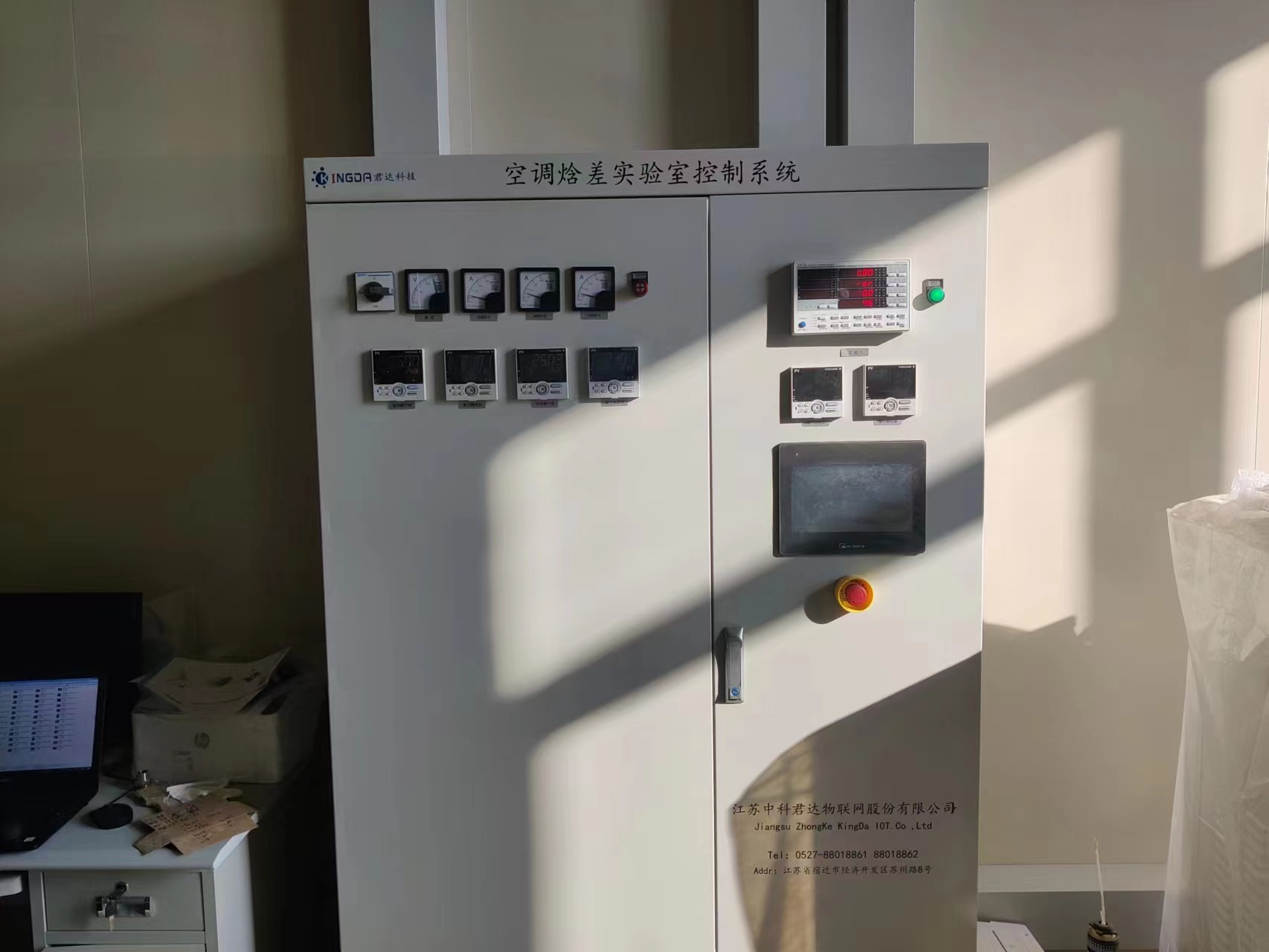
The enthalpy difference laboratory is an important facility used for testing and evaluating thermodynamic performance, widely applied in energy conversion, refrigeration, air conditioning, and thermodynamic research and development. It primarily consists of the following systems:
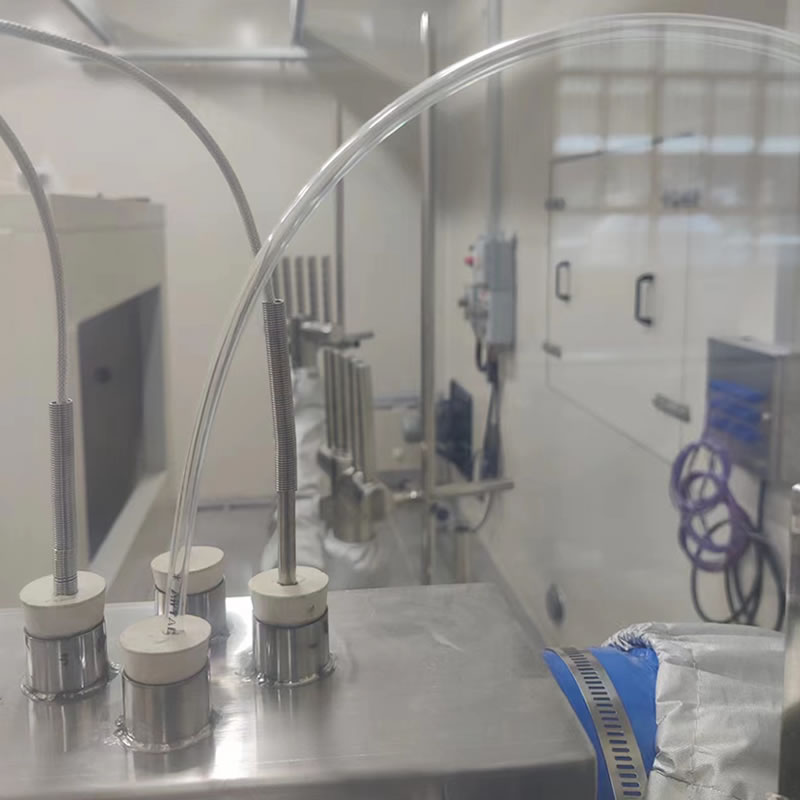
1. Heat Source System
The heat source system is the core of the enthalpy difference laboratory, mainly including a heater and a heat exchanger. Heaters typically use electric heating elements or gas burners to generate heat, while heat exchangers are responsible for transferring heat to the test object. Additionally, a temperature controller is used to maintain the test object within a set temperature range.
2. Heat Exchange System
The heat exchange system is responsible for transferring heat from the heat source system to the test object while transferring heat from the test object to the cold source system. It consists of a heat exchanger, cooler, and refrigerant circulation system, ensuring efficient heat transfer.
3. Refrigeration System
The refrigeration system is used to generate low temperatures to maintain the cold end of the test object at a low temperature. This system typically includes a compressor, condenser, and evaporator, which achieve cooling effects by compressing and expanding the refrigerant.
4. Air Handling System
The air handling system is used to control the temperature, humidity, and pressure of the test environment. It includes an air handling unit, filters, and circulation systems to ensure the uniformity and stability of the test environment.
5. Measurement and Control System
The measurement and control system monitors and controls various parameters during the experimental process, such as temperature, pressure, and flow rate. This system consists of sensors, transmitters, and controllers to ensure the accuracy and reliability of the experiments.
6. Data Acquisition System
The data acquisition system collects experimental data in real-time, including temperature, pressure, and power information. It processes and analyzes data through a data acquisition device and computer system, providing support for the experiments.
7. Safety Protection System
The safety protection system ensures the safety of the experimental process and includes safety valves, overpressure protection devices, and overload protection devices to prevent potential safety hazards.
8. Auxiliary Equipment
Auxiliary equipment meets the basic needs during the experimental process, such as power supply, water supply, and gas supply, ensuring the normal operation of the equipment.