

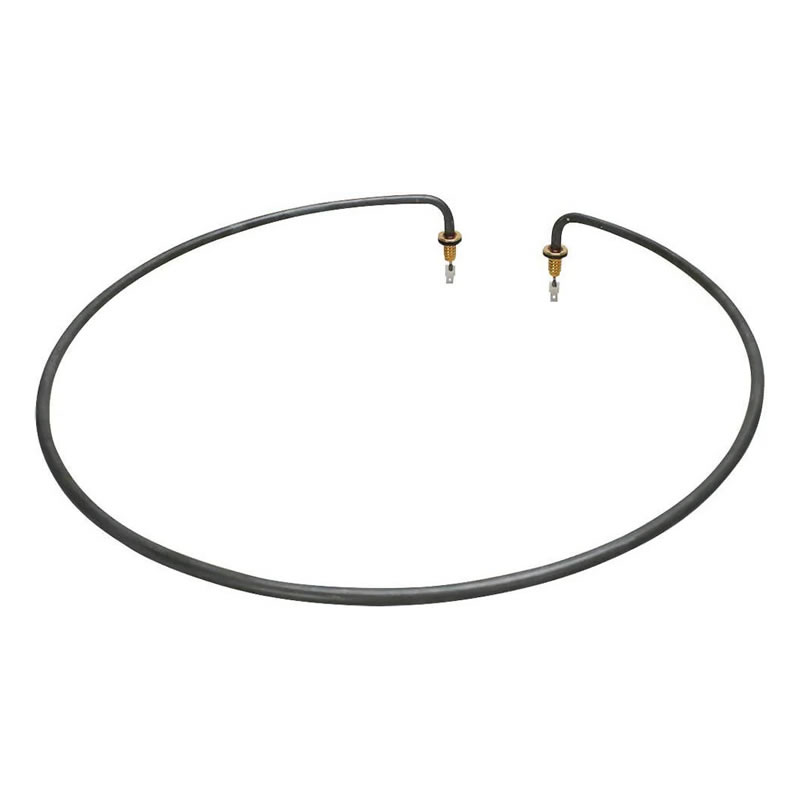
The heating element is a crucial component of your Frigidaire dishwasher, responsible for heating water to the optimal temperature needed for cleaning and ensuring that your dishes are dried effectively after a wash cycle. When this component malfunctions or fails, it can lead to unsatisfactory cleaning results and wet dishes, which can be frustrating. This guide will walk you through the process of testing your dishwasher’s heating element, ensuring that your appliance operates at peak efficiency.
1. Understanding the Heating Element’s Role
Before diving into the testing process, it’s essential to understand the critical functions of the heating element within a dishwasher. In a Frigidaire dishwasher, the heating element serves two primary functions:
- Heating Water: The heating element raises the water temperature to the ideal cleaning range, typically between 120°F and 160°F (approximately 49°C to 71°C). This high temperature is vital for effectively dissolving detergents and removing food particles, grease, and stains from dishes.
- Drying Dishes: During the drying cycle, the heating element provides heat that helps evaporate water from the dishes, ensuring they come out dry and ready to use. This function is particularly important for preventing water spots and ensuring that glassware and utensils are spotless.
Understanding these roles can help you appreciate the importance of a functioning heating element and why it is essential to address any issues promptly.
2. Signs of a Failing Heating Element
Being aware of the warning signs that indicate a problem with your dishwasher’s heating element can save you time and prevent further damage. Here are some common symptoms to watch for:
- Dishes Remain Wet: If you notice that your dishes are consistently wet after completing a wash cycle, it may indicate that the heating element is not functioning correctly during the drying phase.
- Water Temperature Issues: When running a wash cycle, if the water does not feel hot to the touch, it is a strong indication that the heating element is not heating the water adequately.
- Visible Damage: Inspect the heating element for any visible signs of damage, such as cracks, burn marks, or corrosion. These physical signs can indicate that the element has failed or is on the verge of failure.
- Increased Energy Consumption: A malfunctioning heating element may cause the dishwasher to run longer cycles, leading to increased energy usage. If you notice a spike in your utility bills, it could be related to issues with the heating element.
- Unusual Noises: If you hear strange noises, such as popping or buzzing sounds, during the heating cycle, it may indicate a problem with the heating element or its connections.
3. Tools You’ll Need for Testing
Before you begin testing the heating element, it’s essential to gather the necessary tools to ensure a smooth process. Here’s a list of tools you will need:
- Multimeter: A digital multimeter is preferred for its accuracy in measuring electrical resistance and continuity.
- Screwdriver Set: Various screwdrivers will be needed to access the heating element, as it may be secured with screws.
- Work Gloves: Wearing gloves is crucial for protecting your hands from sharp edges and electrical components.
- Safety Glasses: Safety glasses will protect your eyes from any debris or accidental splashes while you work.
- Owner’s Manual: Having the owner’s manual on hand will provide you with specific information about your dishwasher model, including the manufacturer’s specifications for the heating element.
4. Step-by-Step Heating Element Testing Process
4.1 Safety First
Safety should always be your top priority when working with electrical appliances. Follow these safety precautions:
- Unplug the Dishwasher: Disconnect the power by unplugging the dishwasher or turning off the circuit breaker that supplies power to the appliance.
- Ensure Coolness and Dryness: Wait until the dishwasher is completely cool and dry before beginning any inspection or testing.
- Wear Protective Gear: Always wear protective gloves and safety glasses to shield yourself from potential hazards.
4.2 Access the Heating Element
To test the heating element, you need to access it within the dishwasher:
- Remove the Lower Dish Rack: Start by taking out the lower dish rack to create space for accessing the heating element.
- Locate the Heating Element: The heating element is typically situated at the bottom of the dishwasher. It may appear as a circular or rectangular metal component, usually covered with a protective shield.
4.3 Visual Inspection
Perform a thorough visual inspection of the heating element:
- Check for Damage: Look for any visible signs of damage, such as cracks, burn marks, or corrosion. These can indicate that the heating element is compromised.
- Assess Physical Condition: Note any physical deterioration, such as warping or discoloration, which can affect the element’s performance.
4.4 Electrical Continuity Test
To determine if the heating element is functioning properly, conduct an electrical continuity test:
- Set Your Multimeter: Adjust your multimeter to the resistance (Ω) setting.
- Probe the Terminals: Touch the multimeter probes to the heating element’s terminals. Ensure a good connection for an accurate reading.
- Check Resistance: A functioning heating element typically shows a resistance reading between 10-50 ohms. This range indicates that the element is intact and capable of heating water.
- Interpret the Reading: If the multimeter displays an infinite reading (OL on digital meters), this suggests that the heating element is likely damaged and requires replacement.
4.5 Resistance Test
For a more accurate assessment, perform a resistance test after disconnecting the heating element:
- Disconnect the Heating Element: Carefully disconnect the heating element from its electrical connections. This step is crucial for isolating the element during testing.
- Repeat the Resistance Test: Perform the resistance test again with the multimeter. Compare the reading to the manufacturer’s specifications found in the owner’s manual for confirmation.
5. Potential Test Results and Their Meanings
Understanding the potential outcomes of your tests can help you determine the next steps:
- Normal Reading (10-50 ohms): If your multimeter shows a reading within this range, the heating element is functioning correctly and does not need replacement.
- No Continuity (Infinite Resistance): If you receive an infinite resistance reading, this indicates that the heating element has failed and requires replacement.
- Very Low Resistance: A reading significantly lower than 10 ohms may indicate a potential short circuit, which can lead to further electrical issues.
- Inconsistent Readings: If you encounter inconsistent readings, it may suggest internal damage within the heating element, warranting replacement.
6. When to Seek Professional Help
If you feel uncomfortable performing electrical tests or if the results are unclear, it’s wise to seek professional assistance. Consider the following options:
- Consult a Technician: A qualified appliance repair technician can diagnose the issue accurately and recommend the best course of action.
- Contact Frigidaire Support: Reach out to Frigidaire customer support for guidance and assistance regarding your specific model.
- Schedule a Diagnostic Service: If you prefer, you can schedule a professional diagnostic service to assess the heating element and any other potential issues with your dishwasher.
7. Replacement Considerations
If your testing indicates a faulty heating element, here are some important considerations for replacement:
- Order Genuine Parts: Always order a genuine Frigidaire replacement part to ensure compatibility and reliability.
- Verify Model Number: Make sure the model number of the replacement part matches your dishwasher exactly to avoid any fitment issues.
- Consider Professional Installation: If you are not confident in your ability to replace the heating element yourself, consider hiring a professional to handle the installation.
8. Maintenance Tips to Prevent Heating Element Issues
To prolong the life of your dishwasher’s heating element and maintain optimal performance, follow these maintenance tips:
- Regular Cleaning: Clean the dishwasher interior regularly to prevent buildup of food particles and grease, which can affect performance.
- Use Water Softener: If you have hard water, using a water softener can help prevent mineral buildup that may impact the heating element’s efficiency.
- Avoid Overloading: Do not overload the dishwasher, as this can obstruct water flow and prevent proper cleaning and drying.
- Run Hot Water First: Before starting the dishwasher, run hot water in the sink to ensure that the dishwasher begins with hot water, enhancing cleaning efficiency.
- Periodic Maintenance Checks: Schedule regular maintenance checks to identify and address potential issues before they escalate.
9. Warranty and Support
It is essential to be aware of your warranty status and support options:
- Check Warranty Status: Review your Frigidaire warranty to understand coverage for repairs or replacements.
- Keep Records: Maintain records of repairs and maintenance to provide valuable information if you need to claim warranty services.
- Register Your Appliance: Register your appliance with Frigidaire for potential support benefits and updates regarding your product.
Testing your Frigidaire dishwasher’s heating element doesn’t have to be intimidating. With the right tools, patience, and a careful approach, you can diagnose potential issues and ensure your dishwasher continues to perform efficiently.
Remember, when in doubt, always consult a professional. Safety should always be your primary concern when dealing with electrical appliances.
If you suspect issues with your dishwasher’s heating element, take action today! Follow the steps in this guide to test it yourself, or contact a qualified technician for assistance. Ensure your dishwasher operates efficiently and prolong its lifespan. Reach out to Kingda for expert support!