

Projects Detail
- HVAC Performance Testing for Commercial Buildings
Need Help ?
HVAC Performance Testing for Commercial Buildings
In this project, I developed a comprehensive guide on HVAC performance testing specifically for commercial buildings, highlighting methods that ensure energy efficiency, system reliability, and optimal indoor air quality. The approach focuses on tailored testing practices that address the unique demands of large-scale commercial HVAC systems.
Energy Efficiency and Cost Savings Focus
Improves HVAC efficiency, lowers energy expenses, and reduces carbon footprint for sustainable, cost-effective operations.
Detailed Technical Insights
Advanced testing techniques for precise airflow, temperature control, and calibration, ensuring optimal HVAC performance.
Professional Presentation and Accessibility
Clear visuals and organized steps make HVAC testing easy to understand, benefiting managers, techs, and stakeholders alike.
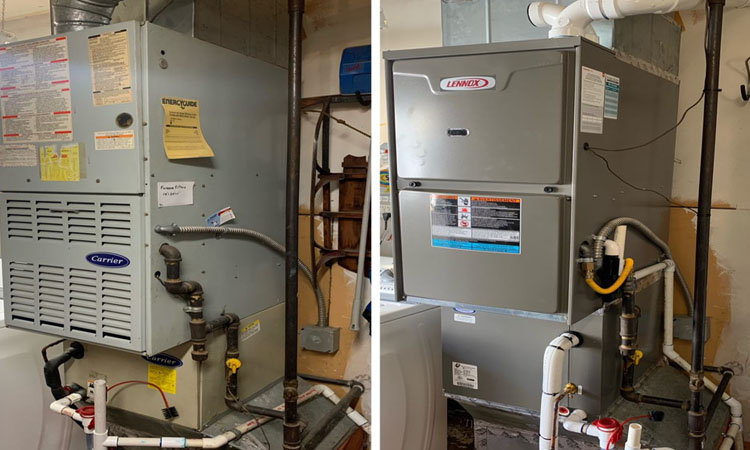
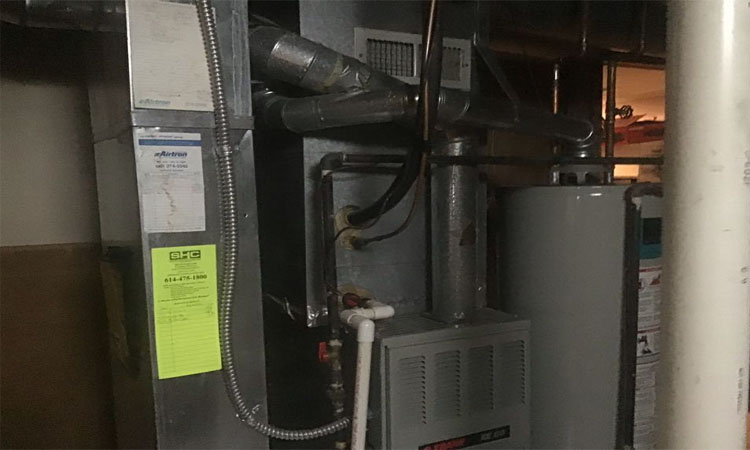

Objective
To equip commercial HVAC professionals and facility managers with advanced testing practices that ensure reliable, efficient, and sustainable system operations.
Skills Demonstrated
Showcased expertise in HVAC testing, technical clarity, and precision.
- Proficiency in commercial HVAC testing standards and practices
- Effective technical communication and video production
- Knowledge of energy-saving techniques for large facilities
Importance of HVAC Performance Testing in Commercial Buildings
This FAQ section addresses the significance of regular HVAC performance testing in commercial buildings. It provides insights into how testing improves energy efficiency, enhances indoor air quality, and reduces costly repairs, ensuring reliable and sustainable operations.
HVAC performance testing identifies inefficiencies and ensures systems operate at peak efficiency. By fine-tuning equipment and detecting issues early, buildings can reduce energy usage, leading to lower monthly utility costs and a reduced carbon footprint.
Performance testing includes monitoring and adjusting airflow, ventilation, and filtration systems, which directly impact air quality. This process ensures that HVAC systems are providing clean, well-circulated air, which promotes a healthier environment for occupants.
Routine HVAC testing detects minor issues before they become major failures. By catching problems early, facilities can avoid unexpected breakdowns and costly repairs, keeping systems running smoothly and minimizing disruptions for building occupants.