

Projects Detail
- Refrigerant Leak Detection for Eco-Friendly AC Units
Need Help ?
Refrigerant Leak Detection for Eco-Friendly AC Units
Sustainability-Focused Content
Showcased efficient leak detection practices to reduce refrigerant loss, lower emissions, and enhance the eco-friendliness of AC units.
Detailed Technical Insights
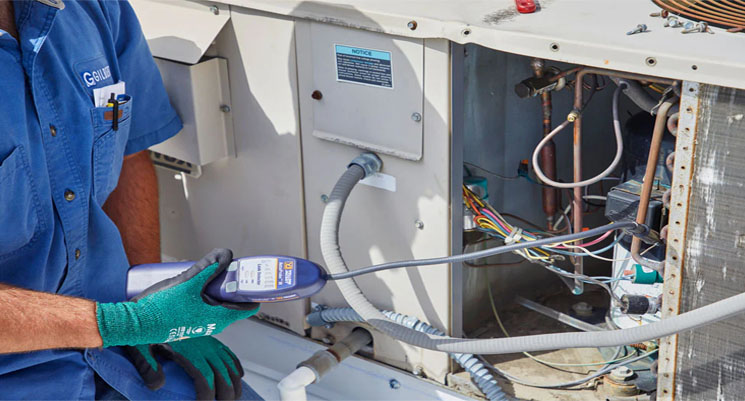
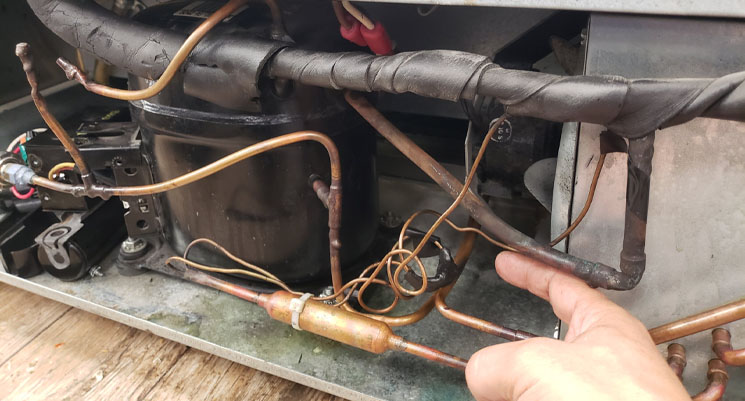
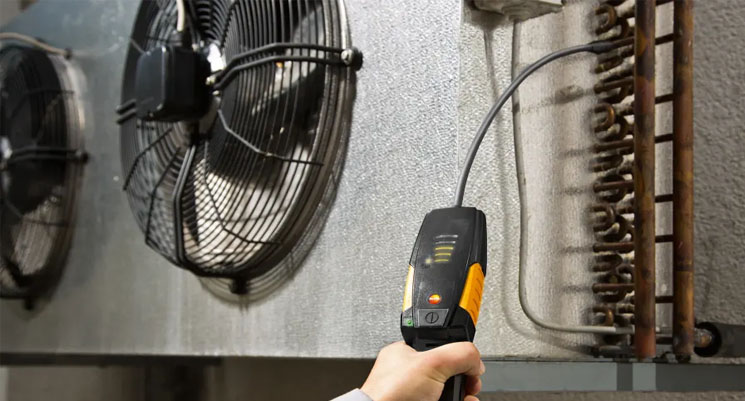
Provided in-depth guidance on advanced tools and methods, including infrared and ultrasonic detection, to help technicians ensure precise and effective leak management.
Professional Presentation
Integrated clear visuals, animations, and a step-by-step breakdown of processes to make the material accessible and engaging for a wide range of viewers.
Objective
Skills Demonstrated
Duis condimentum nunc metus, maximus porta velit temporin.
- Proficient Use of Detection Equipment
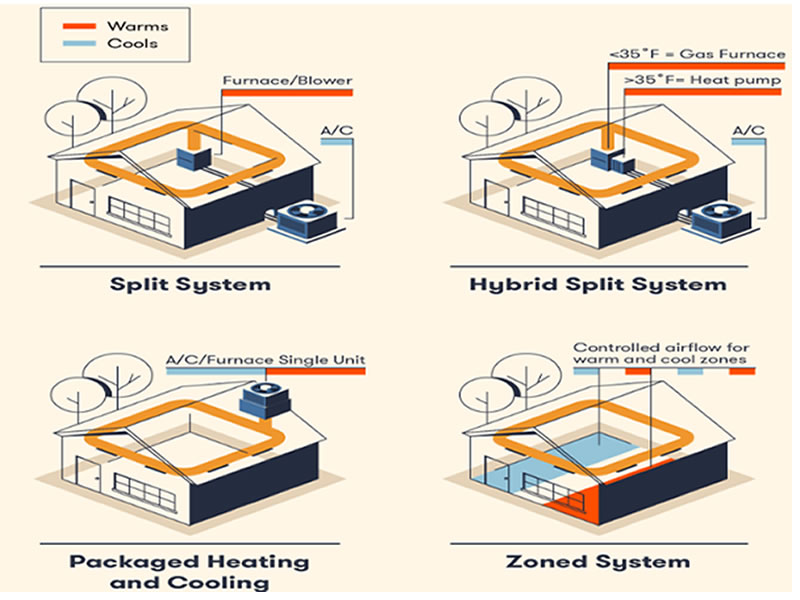
- Knowledge of HVAC Systems
- Data Analysis and Reporting
- Understanding Refrigerant Properties
Frequently Asked Questions about Refrigerant Leak Detection
This FAQ section addresses common inquiries regarding refrigerant leak detection in eco-friendly air conditioning units. It provides insights into the importance of leak detection, methods used, and how to maintain efficient and sustainable HVAC systems. Whether you’re a homeowner or an HVAC professional, these answers will help you understand the significance of proper refrigerant management.
Timely leak detection prevents exposure to hazardous refrigerants and ensures the safety of occupants. Some refrigerants can be flammable, and leak detection can reduce the associated risks.
Early detection of leaks can prevent costly repairs or replacements, resulting in long-term cost savings. Maintaining system efficiency through leak detection can significantly reduce energy costs.
Detecting and repairing refrigerant leaks can help mitigate climate change by reducing the release of substances with high global warming potential. Curbing the leakage of harmful refrigerants helps protect the ozone layer.
Electronic Leak Detectors: These devices detect trace amounts of refrigerant in the air, providing accurate and fast results.
Ultrasonic leak detection: this method uses sound waves to identify leaks that may not be visible or detectable by other means.
Dye testing: A fluorescent dye is added to the refrigerant; examining the system under a UV light can reveal leaks.
Soap Bubble Solution: Leaks can be detected by bubbling a soap solution applied to the suspect area.
Schedule an annual maintenance inspection with a certified HVAC professional. Regular inspections help identify and resolve problems before they escalate, ensuring that the system is operating at peak efficiency
Replace or clean air filters every 1 to 3 months. Dirty filters restrict airflow, forcing the system to work harder, which uses more energy. Clean filters improve indoor air quality and enhance system performance
Use a programmable or smart thermostat to set heating and cooling schedules that match occupancy patterns. Adjusting the thermostat by a few degrees can significantly reduce energy consumption.
Choose HVAC systems and components that are ENERGY STAR certified. Energy-efficient equipment uses less energy while providing the same level of comfort, helping to lower utility bills and reduce environmental impact.